A brighter future begins here.
Committed to a better future for all.
At Baja Aqua Farms, we believe that sustainability is the key to a brighter and stronger future, which is why every action and every decision we make is guided by our unwavering commitment to protecting the resiliency of the oceans that have given us so much. We believe the health of our oceans is worth fighting for. We believe that together, we can make a difference. That’s why, as unequivocal backers of the Sustainable Development Goals (SDGs), we are proud to support the following SDGs within our sustainability strategy:
SDG 3
good health and well-being

SDG 4
quality education

SDG 5
gender equality

SDG 6
clean water and sanitation

SDG 7
affordable and clean energy

SDG 8
decent work and economic growth

SDG 12
responsible consumption and production

SDG 13
climate action

SDG 14
life below water

SDG 17
partnerships for the goals

Our Fish
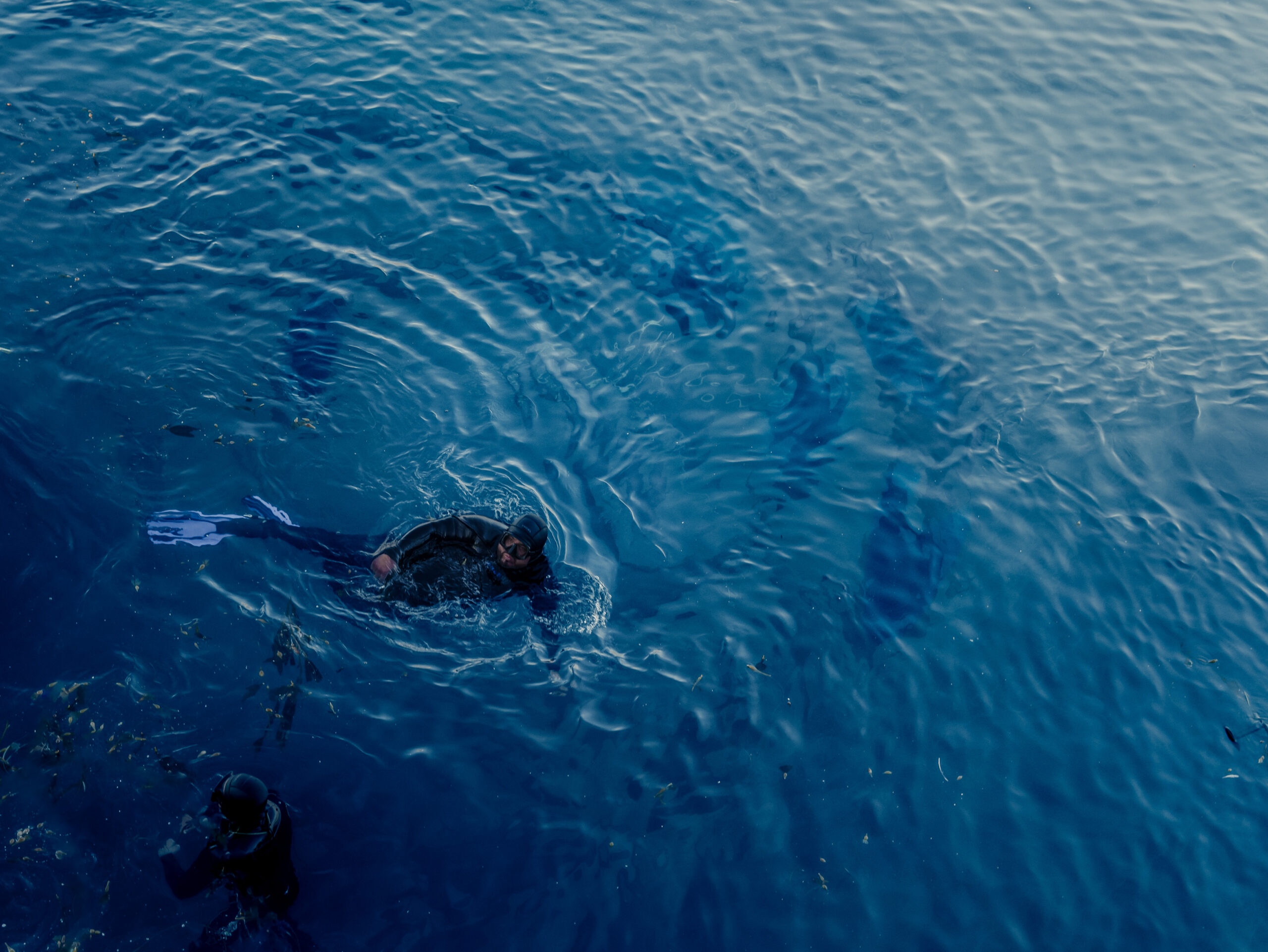
We believe strong, healthy fish come from strong, healthy oceans. This is why we tirelessly work with subject-matter experts to implement best practices that protect the health and biodiversity of our oceans. Together, we continue to innovate new approaches that allow us to close the gap between sustainability and Bluefin Tuna ranching.
Our Environment & Climate
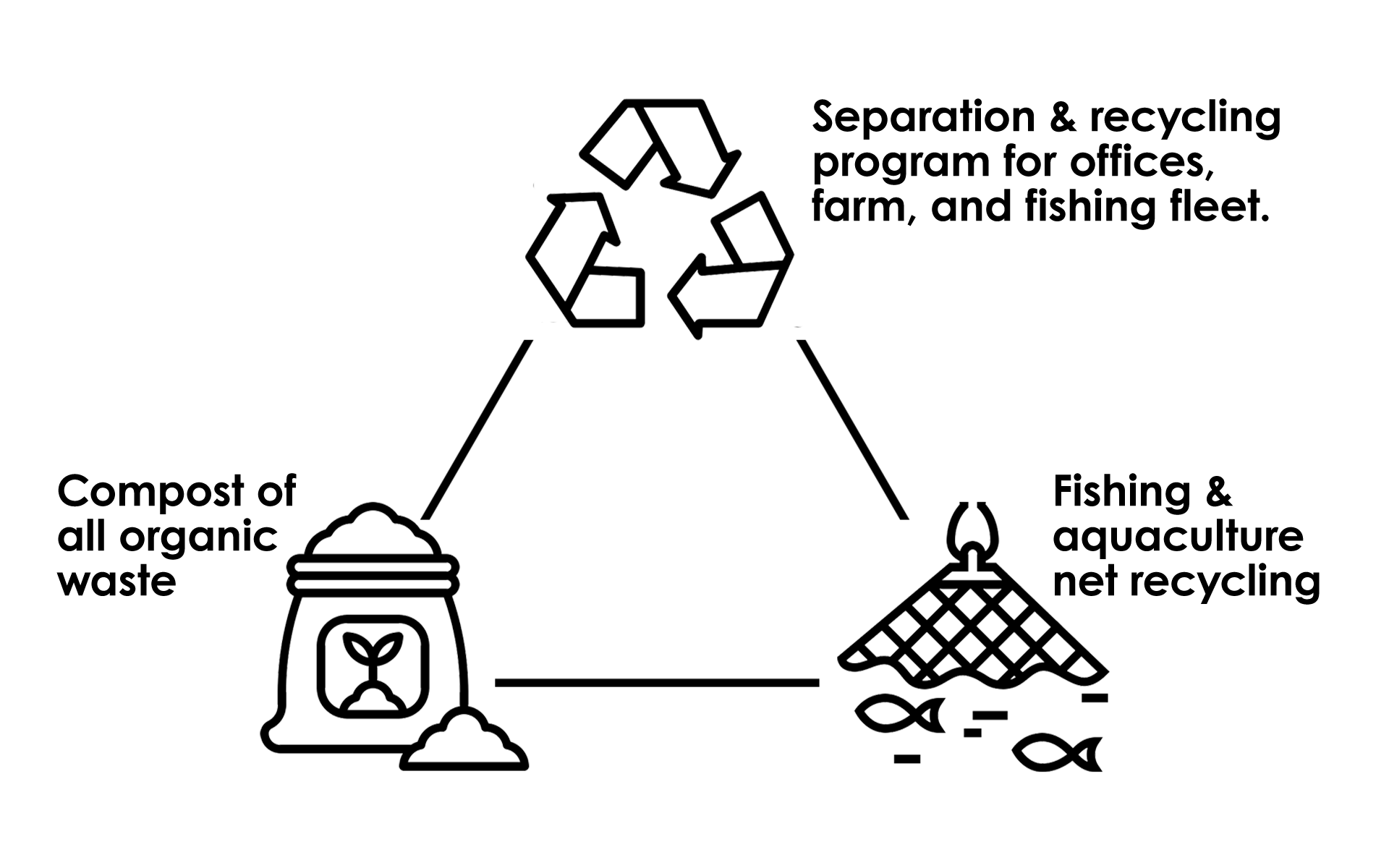
We believe it is our duty to protect our oceans. Through a series of environmental best practices, including waste management, reduction of our carbon footprint and fishery management, we continue to pave the way in our sustainability journey. Our main initiatives are:
Waste Valorization:
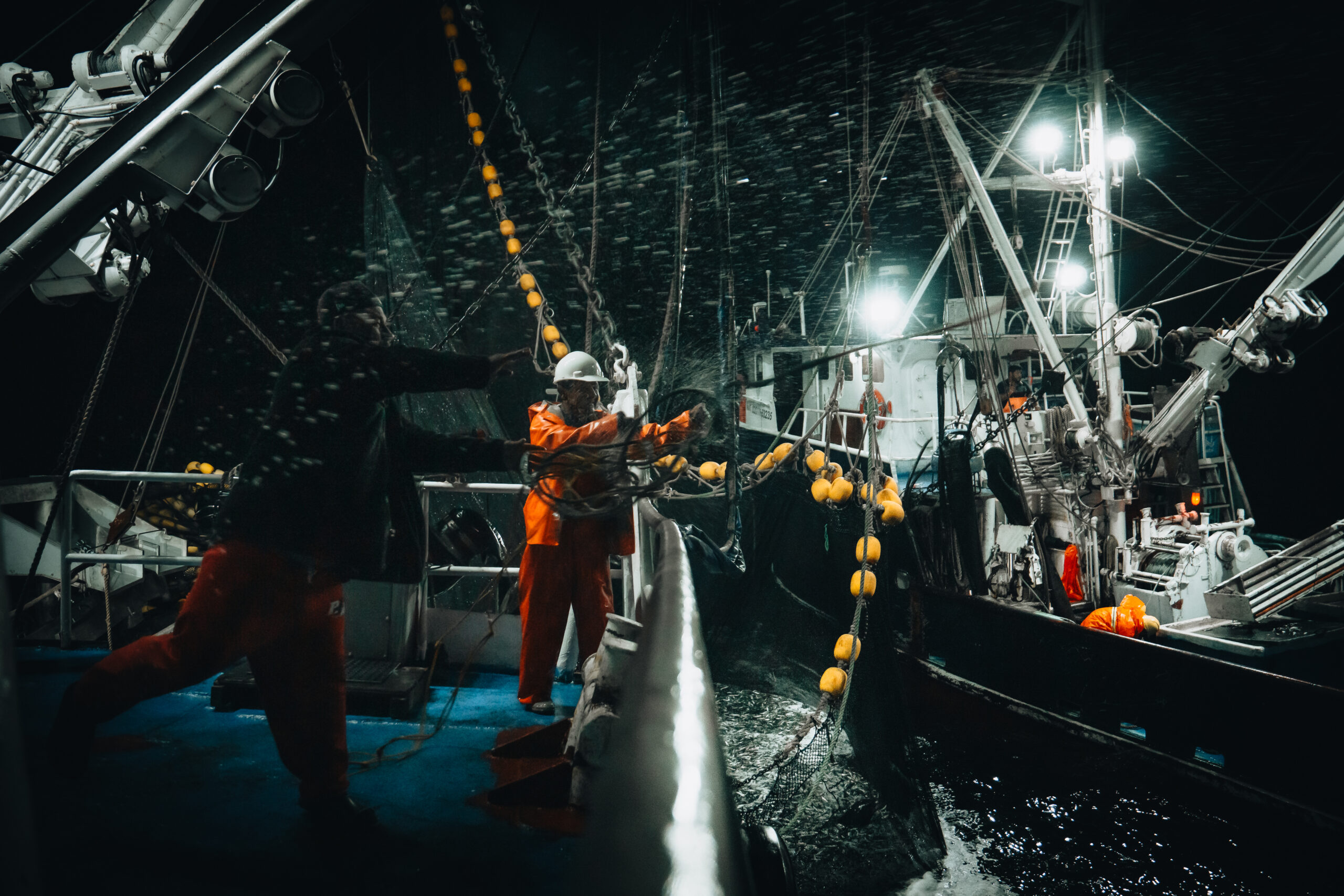
Feed Sourcing:
Carbon Footprint:
Our People & Community
We believe strong, healthy fish come from strong, healthy people who are full of joy and purpose. Which is why we are honoured to work closely with our BAF team, as well as local community leaders, to develop a range of initiatives that will strengthen and promote wellbeing within our organization and in our neighbouring communities.
The Reality of Pacific Bluefin Tuna Conservation
Pacific Bluefin Tuna is no longer considered to be overfished. Under coordinated international management and strict total allowable catches (TAC), the stock cleared its second rebuilding target in 2021, a full decade ahead of plan.
In 2022, spawning stock biomass (SSB) reached 23.2% of its potential unfished level (the amount a population could reach if no commercial or recreational fishing took place), totaling more than 144,000 metric tons. That outcome reflects science-based management led by the Inter-American Tropical Tuna Commission (IATTC) and the Western and Central Pacific Fisheries Commission (WCPFC), two regional fisheries management organizations working across the species’ full Pacific range guided by scientific advice from the International Scientific Committee (ISC). Because of this progress, the WCPFC approved 10–15% increases to the Pacific Bluefin TAC for the 2025–2026 period. TACs are legally enforceable catch limits that govern how much the fishing sector can take from the water to avoid overfishing in specified regions.
Recovery took decades of course correction. Due to overfishing in the late 1990s and 2000s, SSB fell to roughly 2% of its potential unfished level between 2009 and 2012. This led to multilateral regulatory action in 2011, when WCPFC members reduced catch limits for juveniles and adults, and the IATTC followed with complementary measures in 2012. The rebuilding goal targeted an SSB of at least 20% by 2034. The stock reached its first target five years early, in 2019, and cleared the second in 2021. By 2022, SSB had grown more than tenfold from its 2010 low, a statistic which NOAA Fisheries called a milestone that “exceeded international targets a decade ahead of schedule.”
Baja Aqua Farms operates within these management frameworks but does not claim that cultivation practices caused the wild stock recovery. Our commitment is to the science, governance, and shared responsibility that made recovery possible, and to staying aligned with those guardrails as conditions evolve.
Responsible Offshore Farming: Beyond Traditional Methods
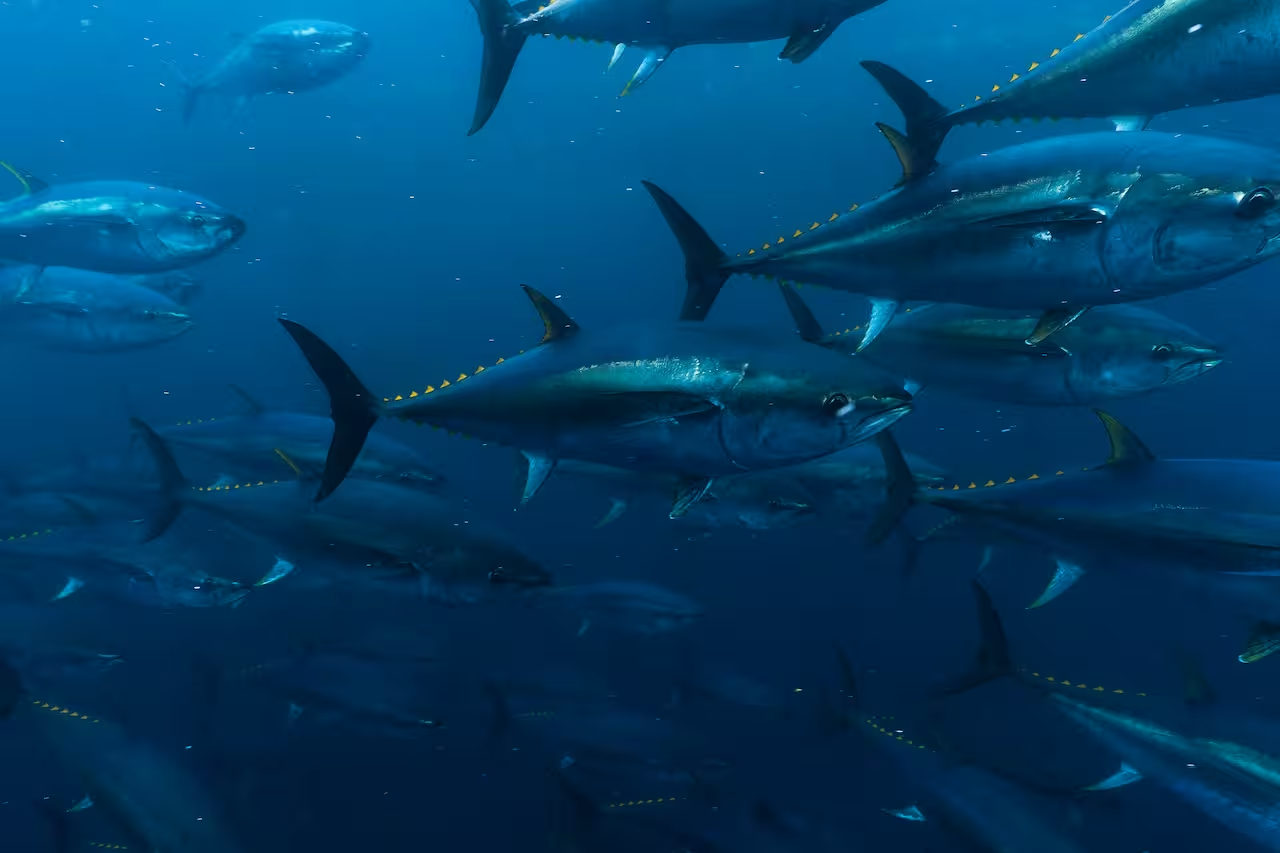
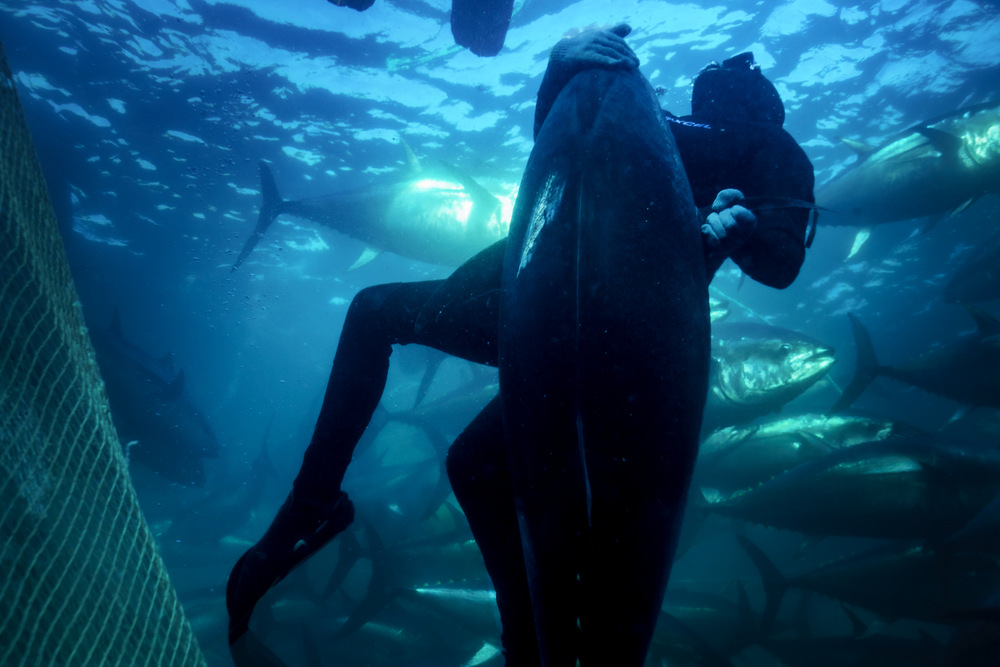
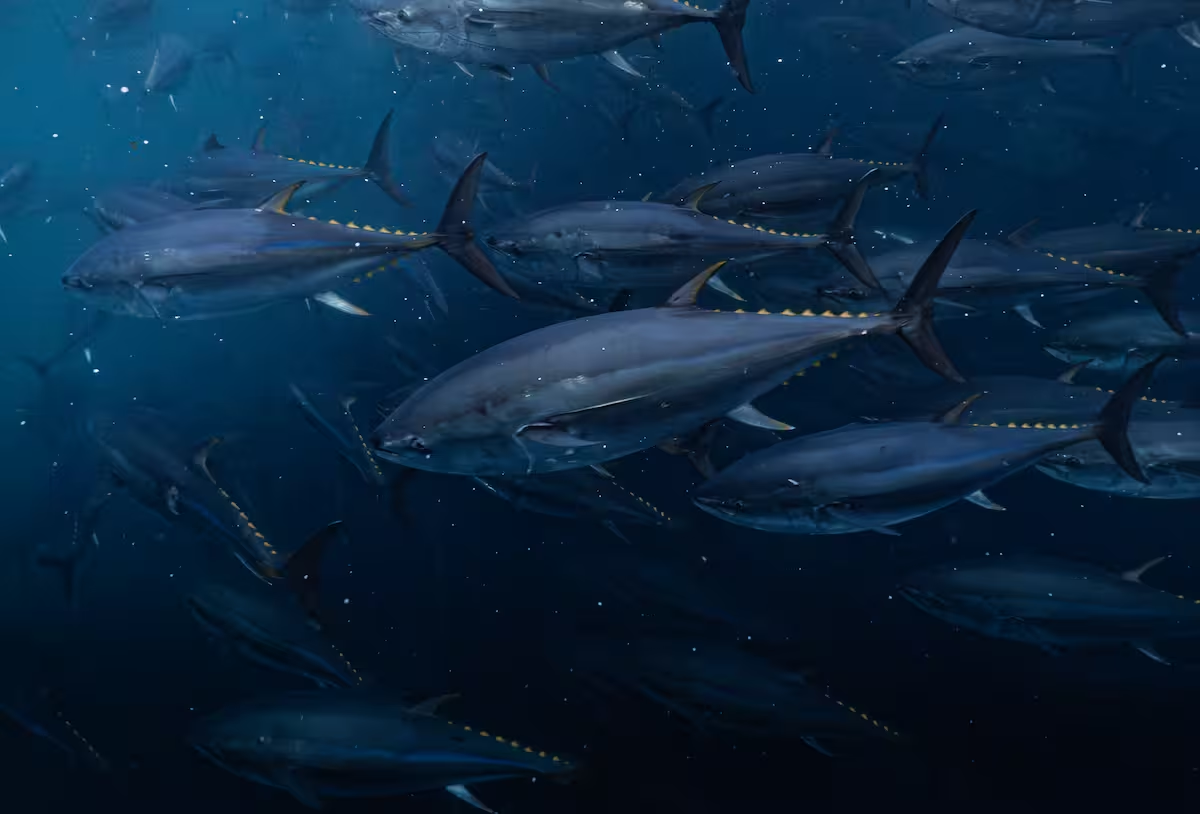
In the pristine oceanic waters off the coast of Baja California, Mexico, our offshore farming approach follows the natural behavior of Pacific Bluefin Tuna and protects long-term ocean health. Every operational decision begins with the fish.
Pacific Bluefin Tuna raised by Baja Aqua Farms consume a 100% natural diet of locally sourced sardines, never pellets. This mirrors feeding habits in the wild and avoids dependence on processed, land-based feeds. Each year, fish are captured and transferred to offshore sites, where they are raised for 6 to 18 months before low-stress harvest occurs. Conditions are checked three times daily to track oxygen levels, algae, pH, and temperature, ensuring an optimal environment for growth. We also assess the sediment beneath the sites twice a year to confirm the seafloor is not accumulating excess nutrients, which can have negative impacts on the surrounding ecosystem if not monitored.
To uphold these pristine conditions, technology is used to streamline daily decisions and offer timely feedback. AI-powered stocking density management responds to real-time behavioral data to support welfare and consistent performance, while robotics provide continuous welfare monitoring, so the team can identify and address animal health needs quickly and precisely. The addition of centralized feeding and advanced data processing pulls together environmental, operational, and economic indicators—alongside fish welfare—to guide each step in the cycle.
At low-stress harvest, we always apply the ikejime technique (a humane dispatching method) without exception. The method protects animal welfare while also locking in sashimi-grade quality. This results in a consistent and exceptional Bluefiná product that chefs and consumers can depend on due to its superior fat content, texture, and traceability. And this quality is also available year-round. Baja Aqua Farms became the second ranching operation in the global seafood industry to guarantee fresh Pacific Bluefin Tuna availability no matter the season. That milestone was achieved and is maintained by our complete vertical integration model—from our dedicated sardine fishing fleet to offshore farming, low-stress harvesting, and global distribution.
Measuring Our Impact: ESG in Pacific Bluefin Tuna Aquaculture
Environmental, social, and governance (ESG) principles shape how we set targets, measure outcomes, and report progress in cultivating Pacific Bluefin Tuna. Responsibility is the standard, demonstrated through transparent, verifiable metrics rather than broad claims.
| ESG Pillar | Initiative and Focus |
|---|---|
| Environmental | Active participation in a Fishery Improvement Project (FIP) for wild-capture operations; the dedicated sardine fleet’s pursuit of Marine Stewardship Council (MSC) certification; and daily water quality monitoring and biannual sediment assessments to confirm that offshore operations do not degrade the local marine ecosystem. |
| Social | Purpose-driven work environments; fair labor practices across the entire supply chain; and economic development in Ensenada and broader Baja California through stable employment, training programs, and community partnerships. |
| Governance | Unmatched chain of custody and picture-perfect traceability through complete vertical integration; transparent public reporting and accountability through platforms like FisheryProgress. |
In 2025, Baja Aqua Farms became the first ranching operation to join FisheryProgress, making its improvement plan and progress metrics publicly accessible. “Sometimes companies need to put pressure on themselves to be accountable for their actions and commitments,” said Rodrigo Armada, director of sustainability for Baja Aqua Farms. “We want to be held accountable by our public stakeholders, and joining FisheryProgress is a major step in achieving that.”
We also work directly with Mexican representatives to the IATTC. Responsible offshore farming and rigorous fisheries governance are all part of the same commitment; they are just carried out at different scales.
Frequently Asked Questions About Responsible Aquaculture
Is Pacific Bluefin Tuna a responsible choice for consumers?
Yes, when sourced within science-based limits, with transparent traceability and proven attention to animal welfare. The wild population is no longer overfished under IATTC and WCPFC management, and cultivated Pacific Bluefin Tuna raised by Baja Aqua Farms (and sold under the Bluefiná brand) is produced with strict oversight and low-stress practices.
The key distinction is between historically depleted populations and those now managed within TACs. Pacific Bluefin Tuna currently operates under some of the most rigorous international measures applied to a highly migratory species. However, complete vertical integration offers traceability that certifications alone cannot match. When evaluating any Pacific Bluefin Tuna product, look for origin, chain of custody, alignment with IATTC and WCPFC measures, and a documented commitment to welfare and environmental monitoring.
What does ESG mean in the context of cultivating Pacific Bluefin Tuna?
Environmental, social, and governance (ESG) criteria describe how a company manages its environmental footprint, its responsibilities to people, and the systems that ensure accountability (governance). For Pacific Bluefin Tuna aquaculture, that includes sustainable sourcing of wild-stock Bluefin Tuna and baitfish, measurable water and sediment outcomes, fair and safe workplaces, and controls that link every input to the low-stress harvest.
At Baja Aqua Farms, environment means daily water-quality metrics, biannual sediment assessments, and data-guided stocking density decisions; the social pillar covers fair wages, training, and community investment that build long-term regional opportunity; and governance includes complete vertical integration, participation in an FIP for wild-capture operations, the sardine fleet’s pursuit of MSC certification, and auditable traceability across the value chain.
How does Baja Aqua Farms ensure the welfare of the tuna?
At Baja, welfare is engineered into every stage. Husbandry, technology, and handling align with species biology to minimize stress and maintain vitality from the moment of capture through to low-stress harvest.
Pacific Bluefin Tuna are raised in their natural oceanic habitat, the open waters off Baja California, and fed a 100% natural diet of locally sourced sardines that mirrors what they would eat in the wild. AI-powered stocking density management maintains optimal space and social dynamics, while robotics provide continuous welfare monitoring and enable rapid adjustments when needed. At low-stress harvest, the ikejime technique is applied to every fish, safeguarding both welfare and the sashimi-grade quality that defines the Bluefiná product.